
"strong wind"
3000 article(s) found

Comparison table of roasting degree of coffee beans how to bake coffee beans at home and judge the roasting degree of coffee beans
Professional barista communication please follow the coffee workshop (Wechat official account cafe_style) 1. When studying the roasting degree of coffee beans, the degree of roasting can be judged by sound, color and aroma. Its color ranges from light gray to dark brown, its aroma is from light and elegant, and the sound is made two times. Take the heat-resistant raw bean as an example, the first explosion begins at about 7 points and lasts for about 2 minutes.

Characteristics of wind-stained coffee in Malabar, India
For more information on coffee beans, please follow the coffee workshop (official account cafe_style of Wechat). When it comes to Asian coffee, most people will first think of Indonesian gold Manning or Toraya, or Vietnamese coffee or Lao coffee, as well as recently rammed up Taiwan coffee, China Yunnan coffee and so on. Indian coffee has a long history, and it also has a long history.

Story about the Origin of Indian Monsoon Coffee is Indian Monsoon Coffee good? Flavor characteristics of monsoon coffee
Professional coffee knowledge exchange more coffee bean information please pay attention to the coffee workshop (Wechat official account cafe_style) wind-stained coffee is inadvertently created a new flavor. In the 17th and 18th centuries, India shipped coffee beans to Europe by sailboat, which took six months. The raw beans were placed on the bottom of the barn and absorbed the moisture and salty taste from the sea surface. The raw beans arrived in Europe and went bad in color.

Requirements of Ecological Environment for planting Coffee trees
Small seed coffee is native to the lower part of the Ethiopian rainforest in northern Africa. The temperature is relatively low, with an average annual temperature of 20 degrees. The origin of medium-grain coffee is near the equator. Therefore, small seed coffee has stronger cold tolerance and wider adaptability than medium grain coffee. Medium-grain coffee requires a slightly higher temperature.

Indian Monsoon Malabar AA Monsooned Malabar AA Coffee Flavor Taste Aroma Description
Professional barista communication Please pay attention to Coffee Workshop (Weixin Official Accounts 2133 Wind-stained Malabar [Indian Monsoon Malabar AA]* Commodity introduction: The slow speed of early maritime transportation This Indian coffee bean was blown by humid sea wind during the long-term shipping process to Europe, resulting in the flavor and appearance of the bean.

Introduction to Malaba Coffee: how to Bake Malaba Coffee and how well it is roasted
Professional coffee knowledge exchange more coffee bean information Please pay attention to the coffee workshop (Wechat official account cafe_style) wind-stained Malaba coffee beans seem to be big and fat, but they are soft beans that are strong and dry outside, a change that has taken place after months of weathering. The coffee beans have been exposed to the wet monsoon for several weeks, which not only turns the beans yellow, but also reduces the acidity of the coffee itself.

Coffee roasting degree picture HD small coffee roaster how to choose the baking curve?
Professional coffee knowledge exchange more coffee bean information please follow the coffee workshop (Wechat official account cafe_style) professional coffee roasting | coffee roasting is too complicated? A picture teaches you that shallow roasting in the roasting process can make coffee immature or defective beans more obvious, so you need to choose high-quality raw coffee beans for roasting. The third wave of paranoia that loves coffee all one's life

Is there coffee beans grown in India? Indian wind stains Malabar coffee flavor characteristics
Professional coffee knowledge exchange More coffee bean information Please pay attention to coffee workshop (Weixin Official Accounts cafe_style) Front Street-India Wind Stain Malabar Coffee Introduction India Climate The ideal climate conditions for coffee bean growth are temperatures between 2 - 3 and 28 degrees Celsius, rainfall between 1.5 and 2.0 meters, and a dry season of 2-3 months after the rainy season. Cold temperatures near freezing point are not suitable for conditions

Do you grow coffee beans in India? India's wind-stained Malabar coffee characteristics, environment and climate
Professional coffee knowledge exchange more coffee bean information please follow coffee workshop (Wechat official account cafe_style) India's main coffee-growing areas India's coffee industry is currently dominated by southern India, Karnataka, Kerala and Tamil Nadu together account for more than 90% of the country's coffee production; at present, about 250000 people in India grow coffee beans, and

Sidamo Gucci tanning Tasha purple bluebell hand powder is better than recommended _ purple windbell coffee
Professional coffee knowledge exchange more coffee bean information please follow Coffee Workshop (Wechat official account cafe_style) Sidamo Coffee-Gujitasha Purple Wind Bells G1 Sun Ethiopia ETHIOPIA Sidamo Guci Sauvignon Tasha Asia Purple Wind chimes Sidamo Guji Shakisso Dasaya Natural G1 Mango, Berry, Grape Juice already have Honey Kiss in front, about

Blue Hawaii: an introduction to the only remaining coffee flavor in the United States
In the Ali Iorani Palace, built in 1872, there is a statue of the first king Kamehameha on the lawn, which at least shows that the locals still miss King Kamehameha I of Hawaii and respect him. Across the street is the Ali Ilani Palace, which was built in 1876 and completed in 1882, with one floor underground and two floors above ground. Own
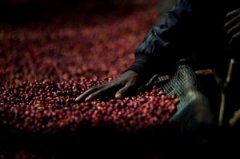
Boutique Indian coffee wind-stained Malaba coffee beans
Indian coffee style stained Malaba coffee beans our mysterious impression of India is not only its coffee, but also tea, temples, yoga, sitaqin, or even the more negative abnormal big cities, and so on. The reason why there are so many kinds of Indian beans on the market today must be attributed to the indomitable Indian coffee expert and importer Dr. Joseph Johns. Past 10
Indian coffee wind-stained Malaba coffee beans
Indian Coffee style stained Malaba Coffee beans Indian Coffee-enigmatic Coffee in a mysterious country our mysterious impression of India is not only in its coffee, but also in tea, temples, yoga, sitaqin, or even the more negative abnormal big cities. The reason why there are so many kinds of Indian beans on the market today must be attributed to the indomitable Indian coffee experts and imports.

The relationship between roasting degree and grinding degree of coffee the lighter the roasting degree of coffee beans is, the finer the grinding degree of coffee is.
Professional coffee knowledge exchange more coffee bean information Please follow the coffee workshop (Wechat official account cafe_style) how to judge and set the grinding degree of espresso fresh coffee raw beans are emerald green, raw beans must be roasted, ground into powder, and then brewed before they become coffee in our cups. It's mentioned in a book devoted to coffee, coffee.

The nutritional conditions for the growing demand for coffee
Small seed coffee is native to the lower part of the Ethiopian rainforest in northern Africa. The temperature is relatively low, with an average annual temperature of 20 degrees. The origin of medium-grain coffee is near the equator. Therefore, small seed coffee has stronger cold tolerance and wider adaptability than medium grain coffee. Medium-grain coffee requires a slightly higher temperature. The requirement of temperature is based on the natural conditions of Yunnan, and the suitable planting area of coffee should be chosen in the year.
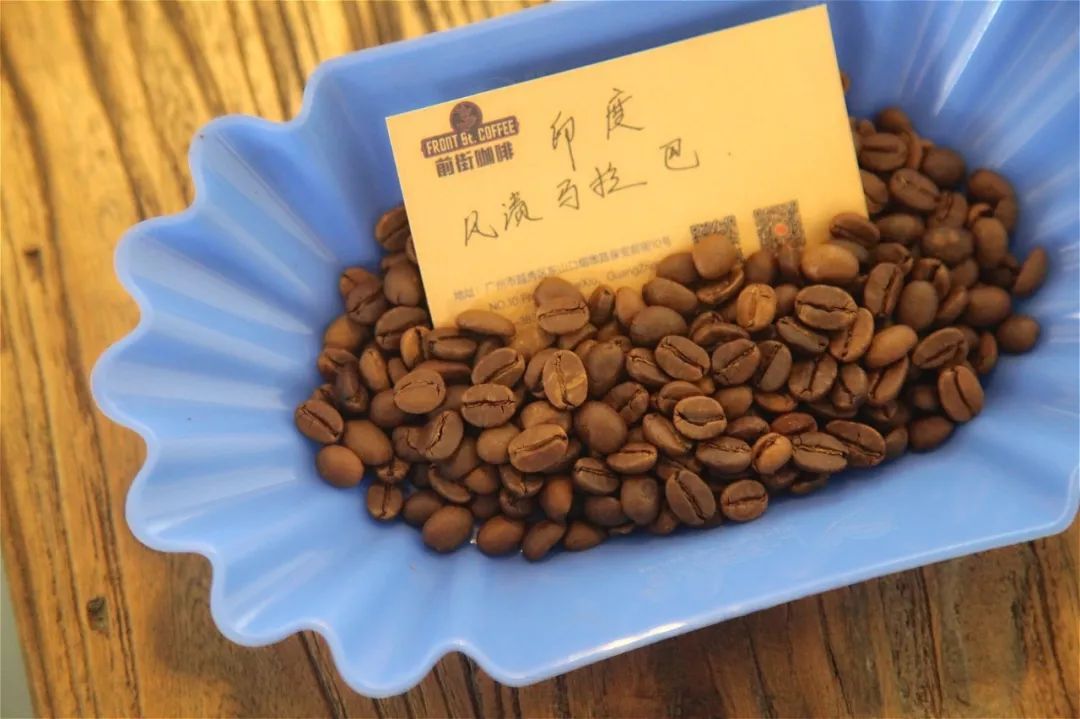
Unique Monsoon treatment-the Story of Indian Monsoon Malaba Malabr
Professional coffee knowledge exchange more coffee bean information please follow the coffee workshop (Wechat official account cafe_style) [monsoon stains Malaba] India Monsooned Malabar country: southern India: Malaba coast in southern India altitude: 1100-1200 m varieties: Kents,S795,Catimor,selection 9 treatment method: wind stain sun treatment method 01

Description of the flavor characteristics of Indian monsoon coffee and the origin of wind-stained coffee
Wind-stained coffee is a new flavor created inadvertently. In the 17th and 18th centuries, India shipped coffee beans to Europe by sailboat, which took six months. The raw beans were placed on the bottom of the barn and absorbed the moisture and salty taste of the sea. The raw beans arrived in Europe and had deteriorated. The color changed from dark green to the yellowish brown of rice. The acidity of the coffee almost disappeared, but it unexpectedly developed thick nuts and grains.
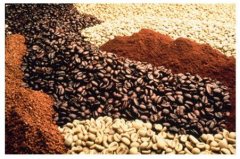
Special "requirements" for the growth environment of small-grain coffee
Small seed coffee is native to the lower part of the Ethiopian rainforest in northern Africa. The temperature is relatively low, with an average annual temperature of 20 degrees. The origin of medium-grain coffee is near the equator. Therefore, small seed coffee has stronger cold tolerance and wider adaptability than medium grain coffee. Medium-grain coffee requires a slightly higher temperature.

Indian coffee beans need three to four months of wind soaking, green beans will increase by 2-3 times
Professional coffee knowledge exchange More coffee bean information Please pay attention to coffee workshop (Weixin Official Accounts cafe_style) In fact, India is a country rich in coffee beans. About 250,000 people grow this economic product nationwide. Coffee is suitable for growing in a warm environment. The Tropic of Cancer between North and South is called coffee zone. However, it is afraid that high temperature will damage the characteristics of beans, so most of them are planted in
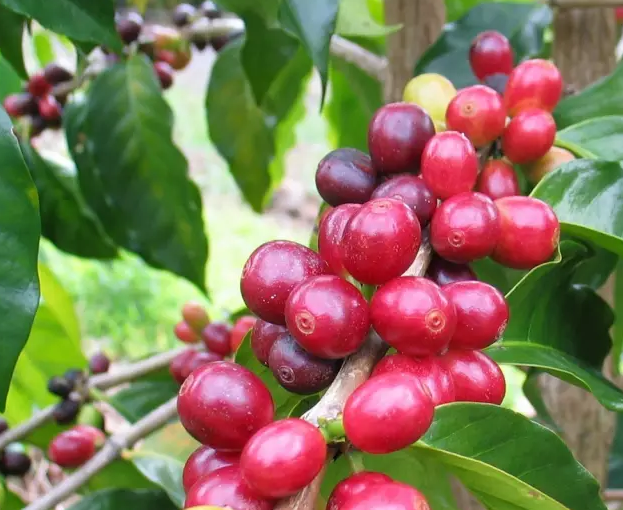
Indian Malabar style-stained coffee describes in detail how to maintain the effect of production methods on flavor.
When it comes to Asian coffee, most people will first think of Indonesian gold Manning and Toraya, or Vietnamese coffee or Liaoguo coffee, as well as recently developed coffee from Taiwan and Yunnan in China. Indian coffee has a long history, and it is also the first country in Asia to grow coffee. It has always had a place in the coffee world.